
How Disney Accidentally Created Hogwarts Legacy (Developer Interview)
..an interview with Troy Lewitt (ex-Disney, ex-Hogwarts Legacy lead)

In 2023, Hogwarts Legacy did the impossible — it broke Call of Duty’s 14-year reign and became the best-selling game of the year. But here’s what most people missed: it wasn’t made by Rockstar. Or EA. It was made by a small studio in Utah best known for Disney Infinity — Disney’s billion-dollar hit game where toys came to life on screen.
Instead of believing in the game and the studio, Disney had other plans.
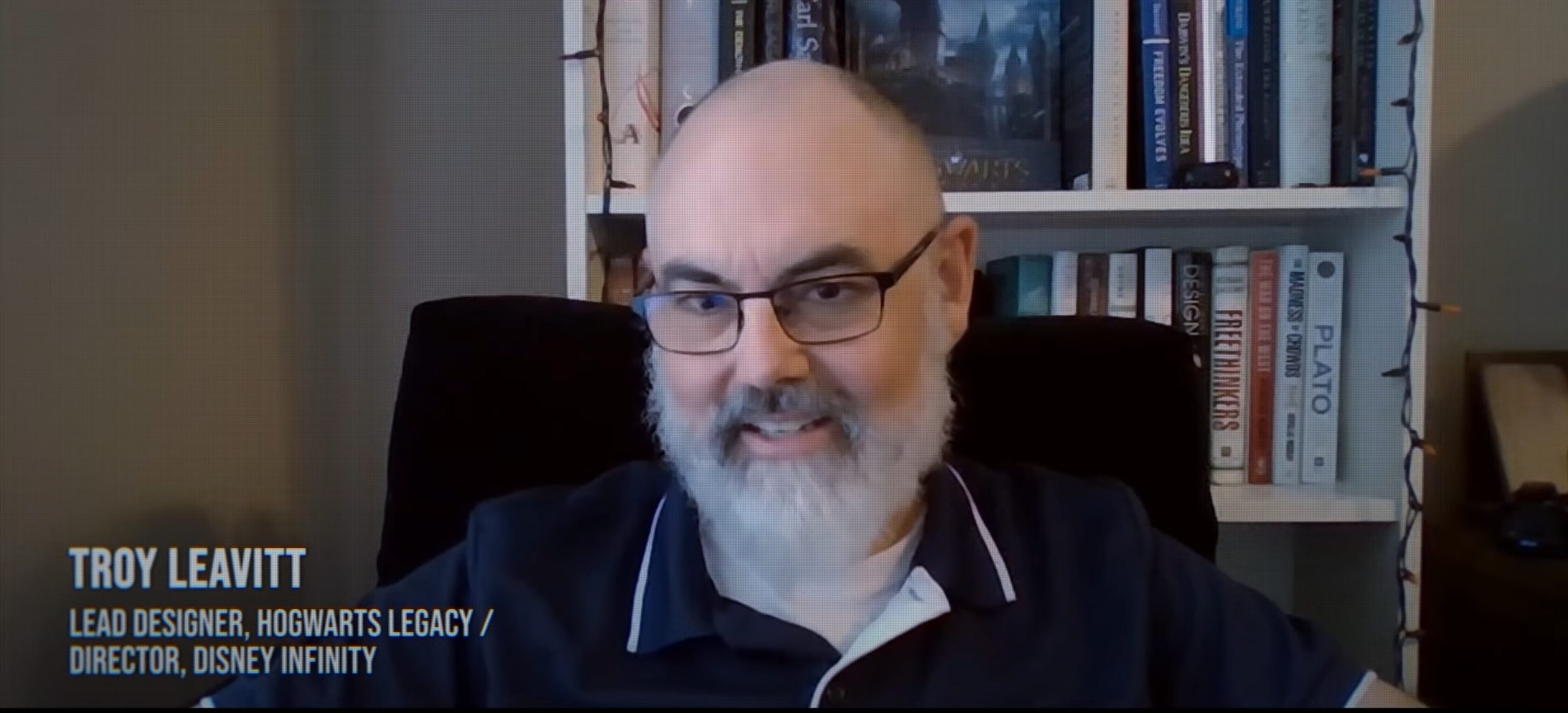
“Here’s the studio that made Disney a ton of money… and then they decided they’re gonna just close that studio down and get out of games five months later.”
Troy Leavitt
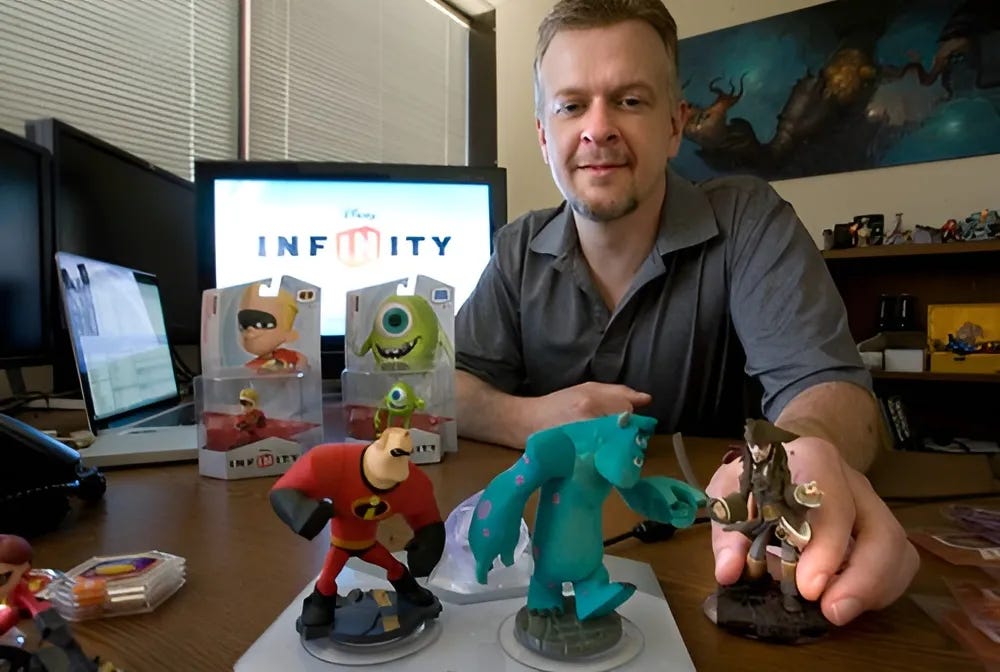
That’s Troy Leavitt — former game director on Disney Infinity and former lead designer on Hogwarts Legacy. The man who saw it all first-hand. I sat down with him to find out how a studio Disney gave up on came back from the ashes and made the one thing Disney never could: real gaming magic.
But before we get to that, we need to ask something else: Why is Disney so bad at making their own games in the first place?
The E.T. Effect
The answer begins with E.T. — yes, the glowing-finger alien who nearly “killed” the games industry. Atari’s E.T. flopped so hard in the ’80s that the company dumped thousands of unsold cartridges in a landfill. It didn’t just sink the game — it tarnished the E.T. brand itself.
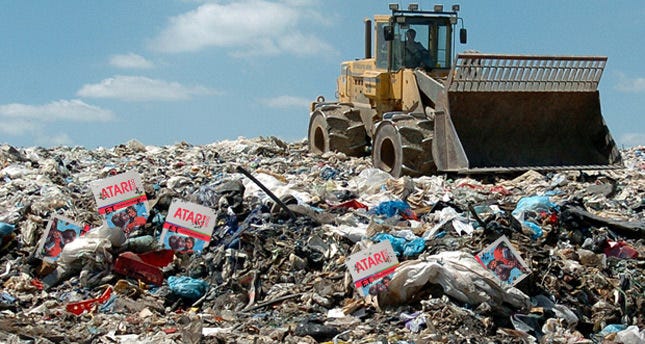
Disney saw what happened and took notes:
“Known IP + technology = kiss of death.”
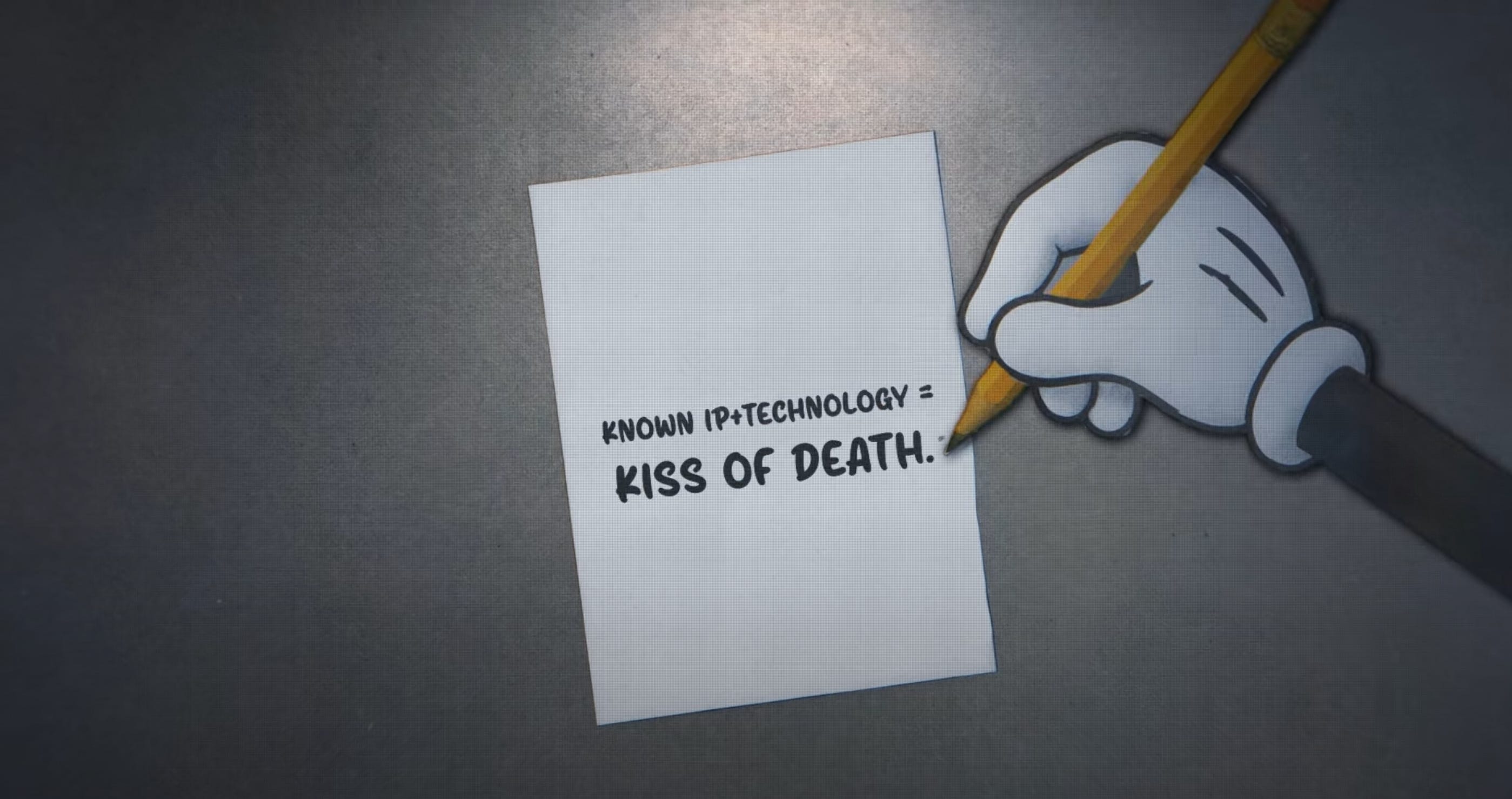
Why risk a billion-dollar brand on a bad game? Better to not make games at all.
So Disney played it safe. In-house titles were limited to low-risk products like its learning series, while licensed games — risky but often wildly successful — were handed off to other studios.
But then came a shift. If other developers could turn Disney IP into blockbusters, maybe Disney could do it themselves. Out went licensing, and in came a new gaming division, new executives, and new ideas. Unfortunately, the mindset stayed the same: spreadsheet-driven.
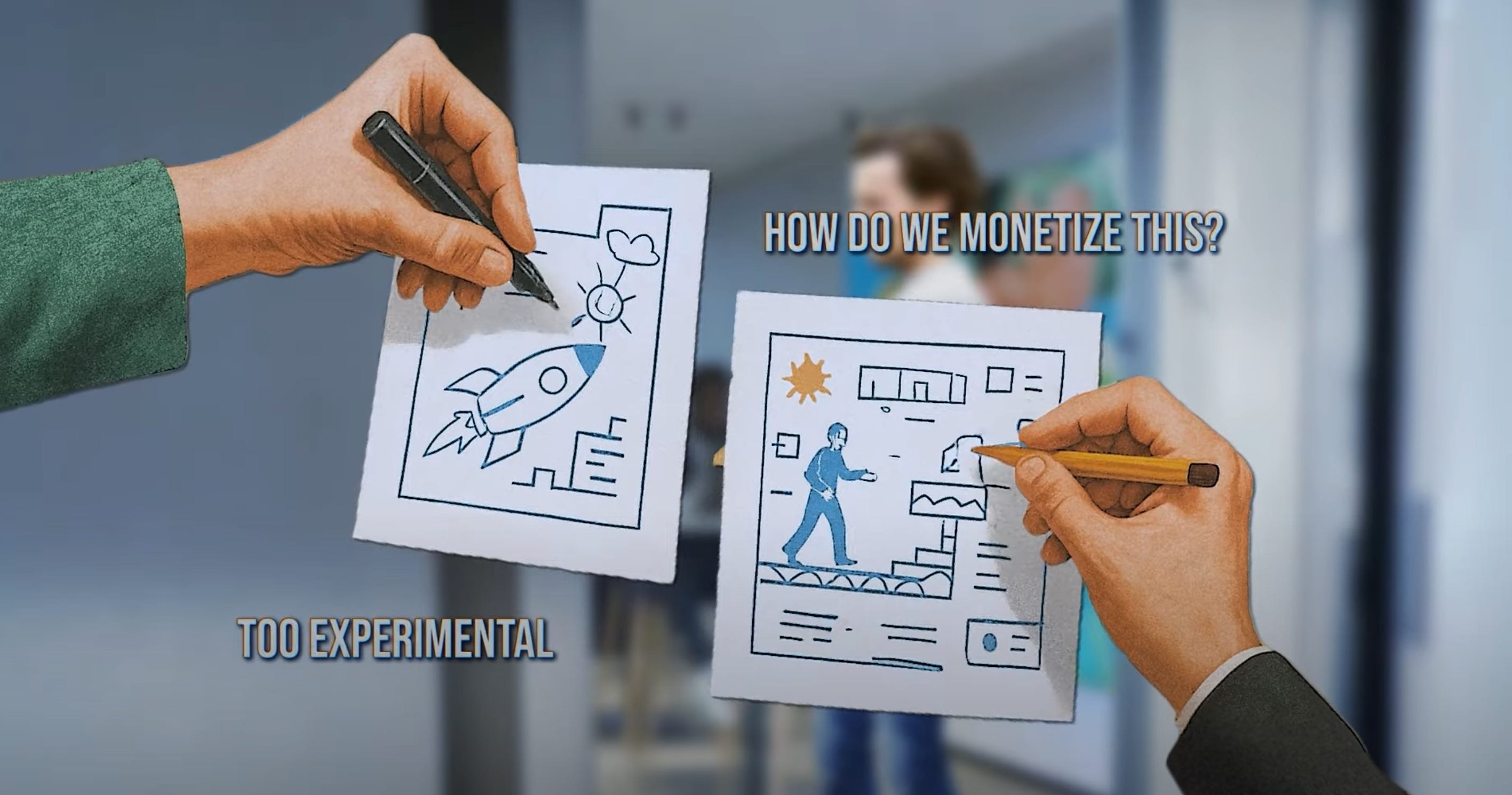
The results spoke for themselves: Epic Mickey, Tron, Guilty Party — commercial failures. Pirates of the Caribbean? Canceled after years of hype. As one insider described it, the division was “buttoned-up financially to an extent that was surprising.”
Disney wanted the hits. Just not the risks.
And that mindset is exactly why Disney was about to walk straight into a billion-dollar mistake.
Avalanche Enters
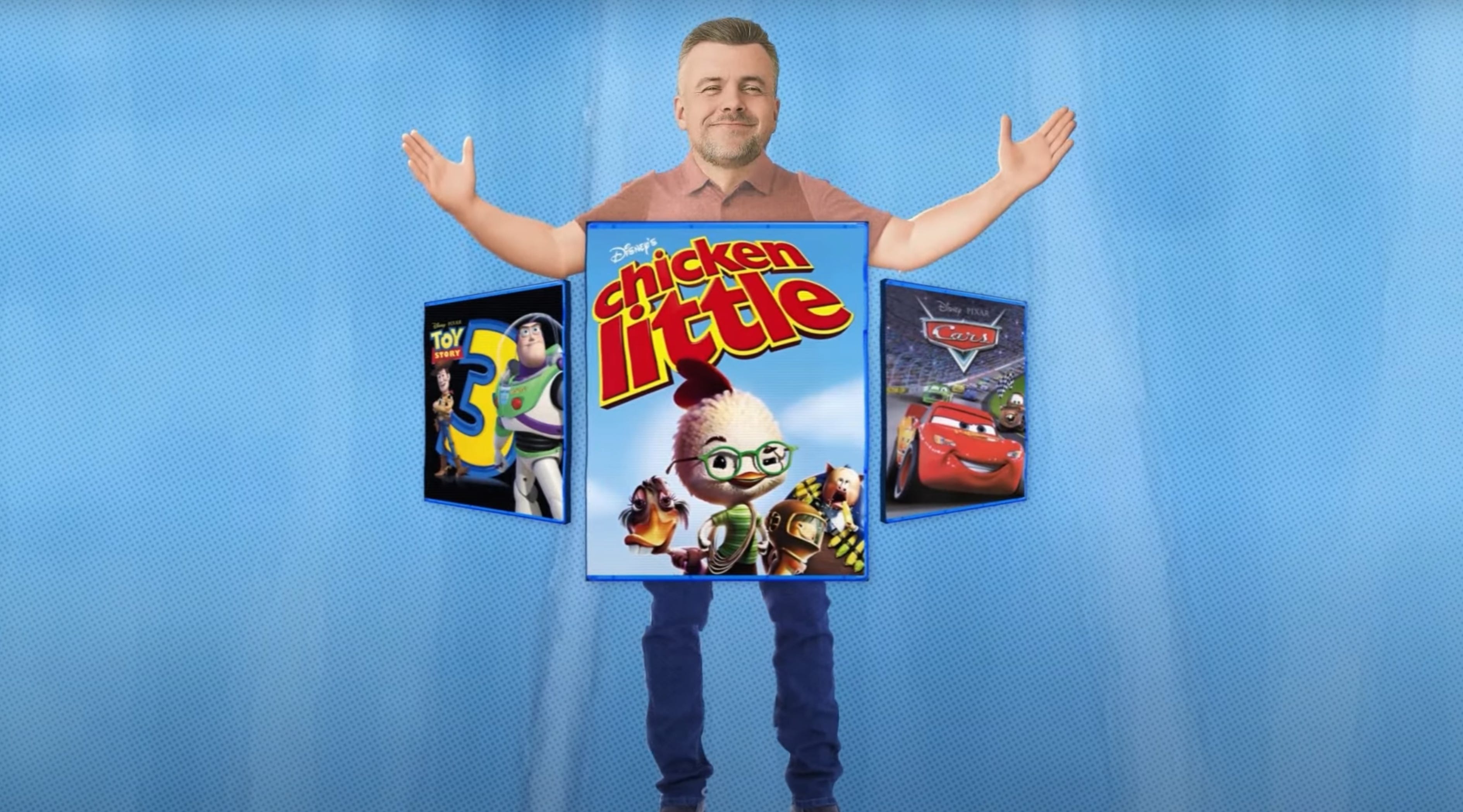
Enter Avalanche Software, a small Utah studio with one rare superpower: they knew how to treat an IP with respect. From Toy Story to Cars to Chicken Little, their games felt true to their worlds.
As Troy Leavitt told me:
“Avalanche got into the habit of figuring out what it is about the intellectual property that makes it so popular with the fans itself. You try and become a fan yourself before you do anything. Avalanche’s whole approach was to understand the property from the inside, just like a fan, before trying to drag it in a new direction or push it into a game.”
That kind of respect was exactly what Disney needed. Avalanche was the perfect fit.
So how could Disney possibly mess this up? Well…buckle up.
Their breakthrough came with Toy Story’s “toy box mode” — a creative, open-ended feature that kids loved. Disney took notice. So when Avalanche pitched a bigger idea — a game where every Disney character could exist in one shared universe — Disney listened.
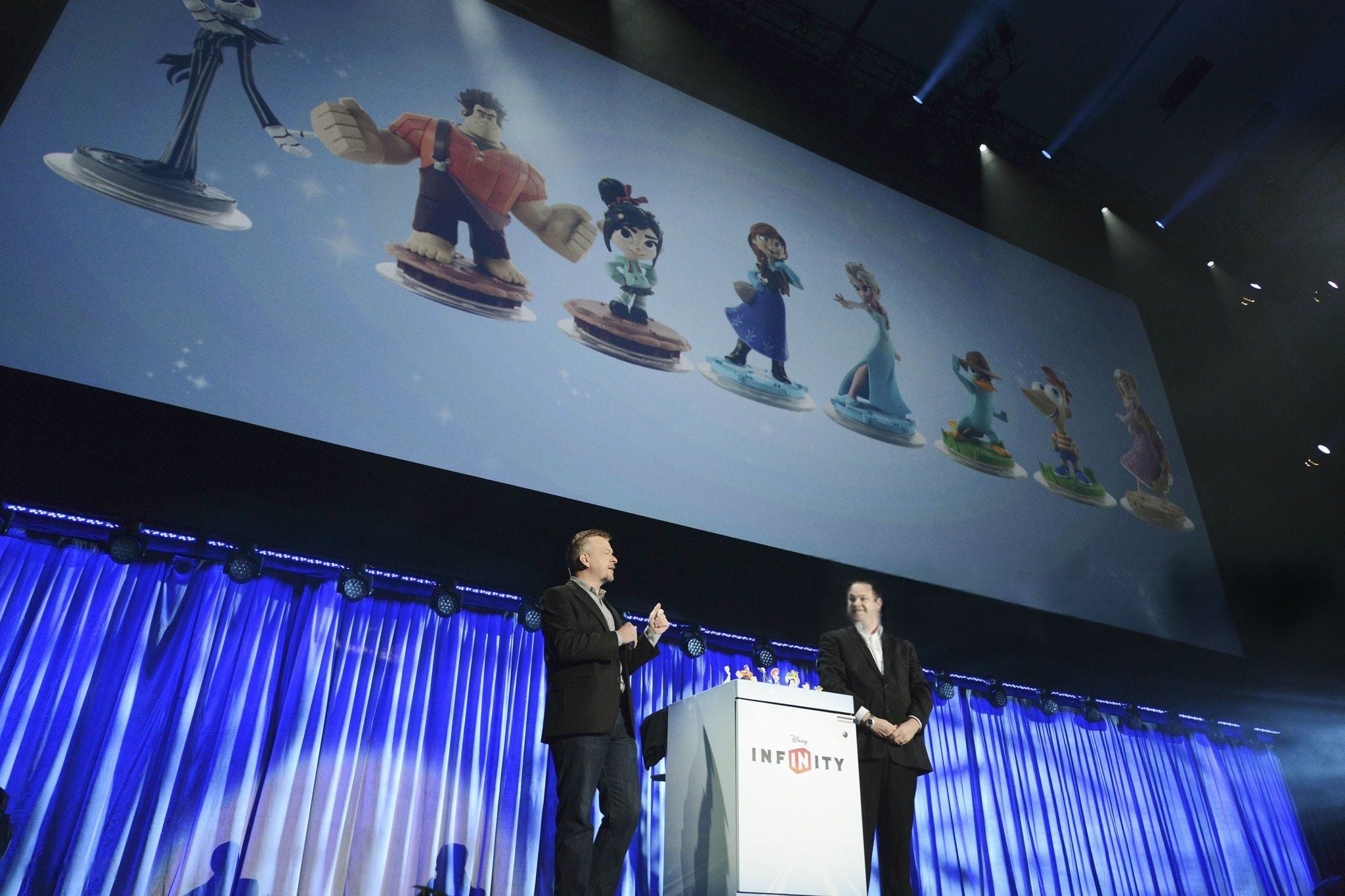
It was perfect timing. The toys-to-life genre was exploding, with Activision, Lego, and Nintendo all cashing in. Disney stepped in with the biggest IPs, the most dedicated studio, and a brand-new game: Disney Infinity.
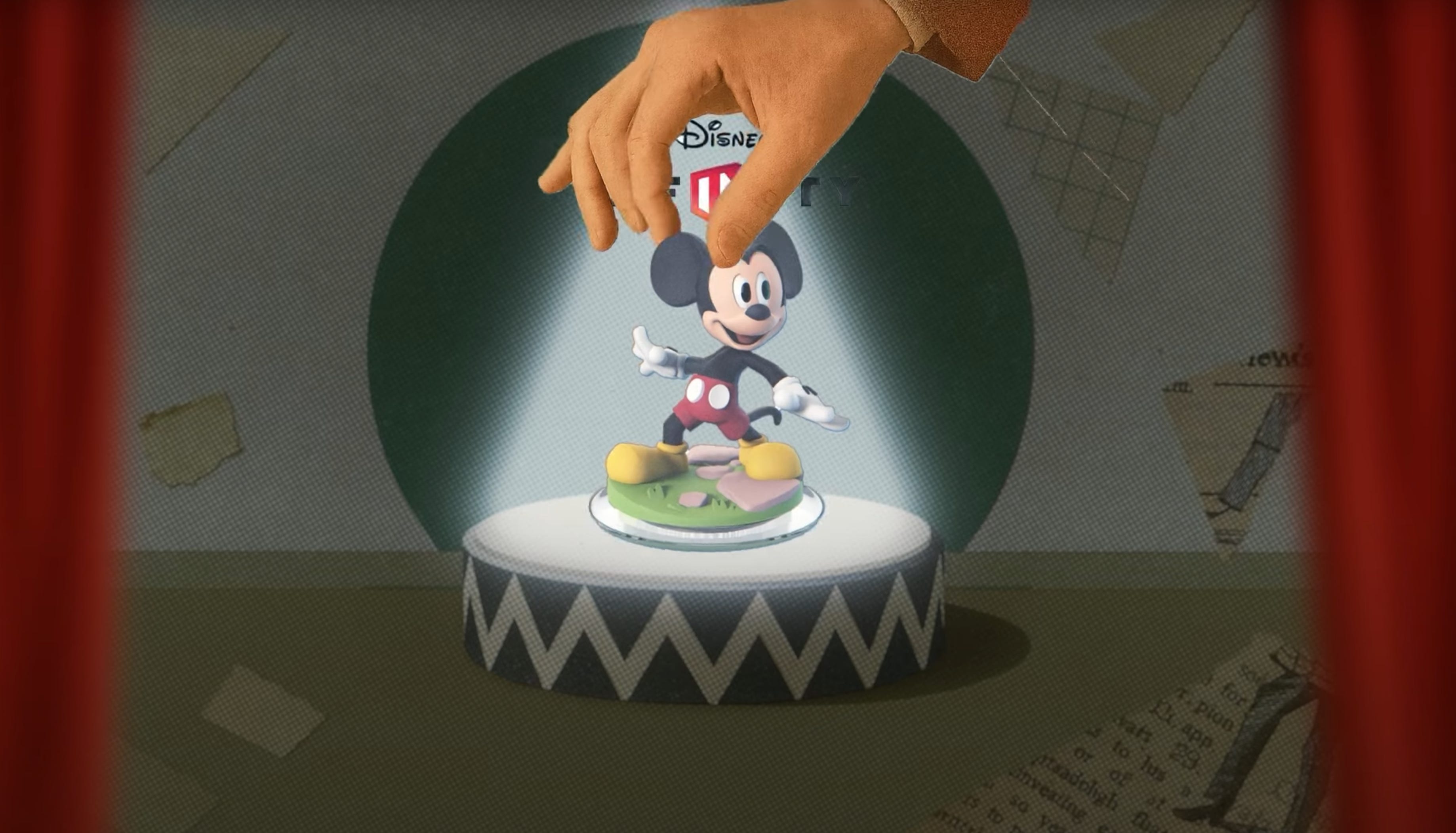
Infinity 1.0 was a massive hit. The toys looked great. The concept was fresh. Disney was already planning Infinity 2.0 and 3.0. For a moment, it looked like Disney’s troubled gaming unit had finally found success.
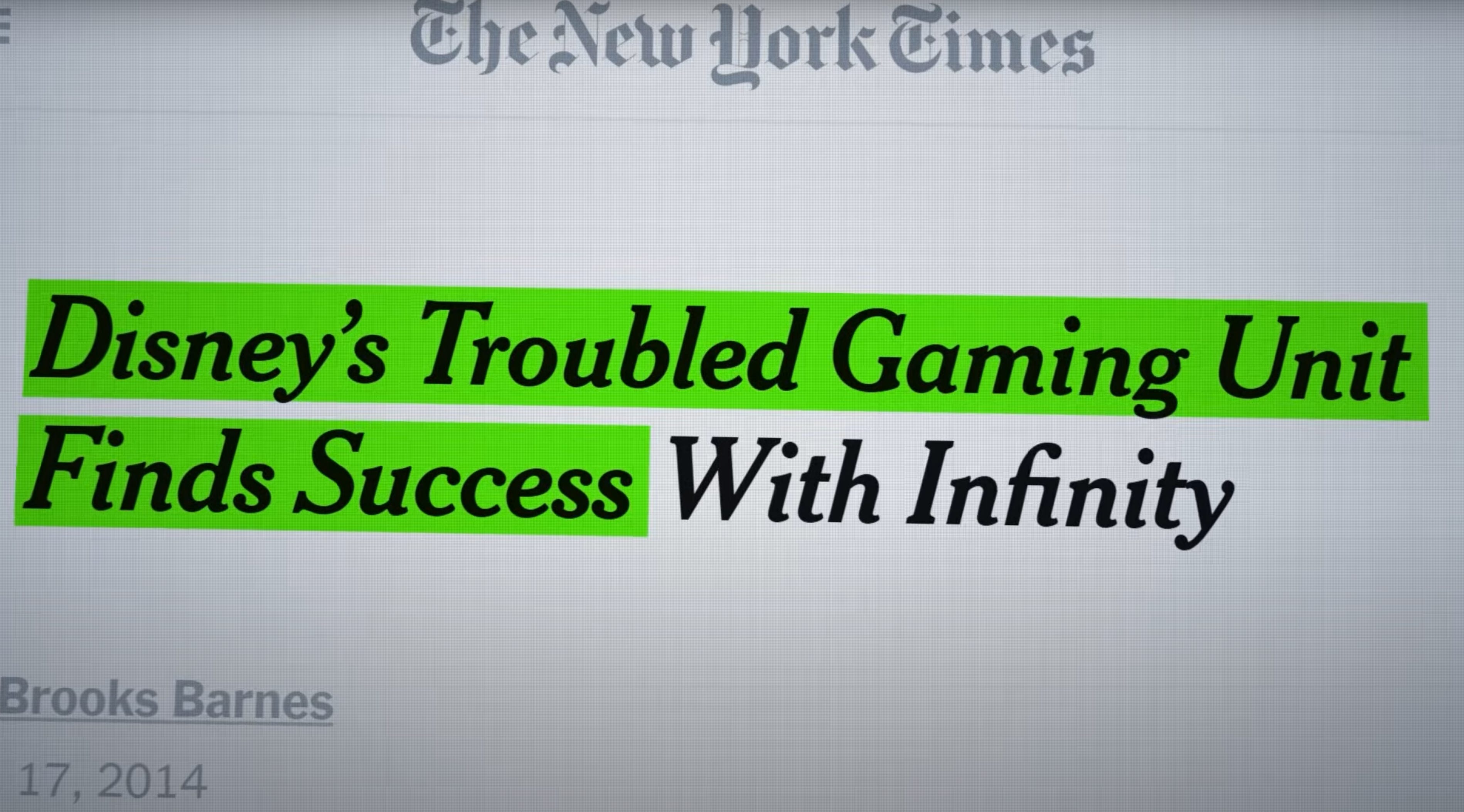
But the writing was on the wall. If a company cares more about numbers than players, eventually, you lose both.
Overshooting Infinity
With Infinity 1.0 booming, Disney did the most Disney thing imaginable: they overcorrected.
Production for Infinity 2.0 ramped up so aggressively that warehouses were overflowing. Retailers couldn’t keep up. Parents couldn’t afford it. And developers were burning out.
As Troy put it:
“Rather than let the fans decide and let the gameplay be good, it was more like: if we hit all these numbers, we’ll get 20% over the overhead. Drop it this quarter and everything will be fine. You guys can do that in development, right? That’s pretty much how they did it.”
The team pulled it off — but success only gave Disney another bad idea: squeeze harder.
It had it all. Star Wars. Hype. Momentum. And, it made Disney over a billion dollars. What more could Disney want…?
Infinity 3.0 had it all. Star Wars. Hype. Momentum. It made Disney over a billion dollars. But higher margins mattered more than players. Production costs outweighed profits. The toys-to-life fad was fading. And to make matters worse, Star Wars Battlefront — licensed out to EA — was outselling Infinity 3.0.
Suddenly, Disney’s beloved spreadsheets started to look grim:
“Growth was due to higher licensing revenue from the success of Star Wars: Battlefront, partially offset by lower Disney Infinity results.”
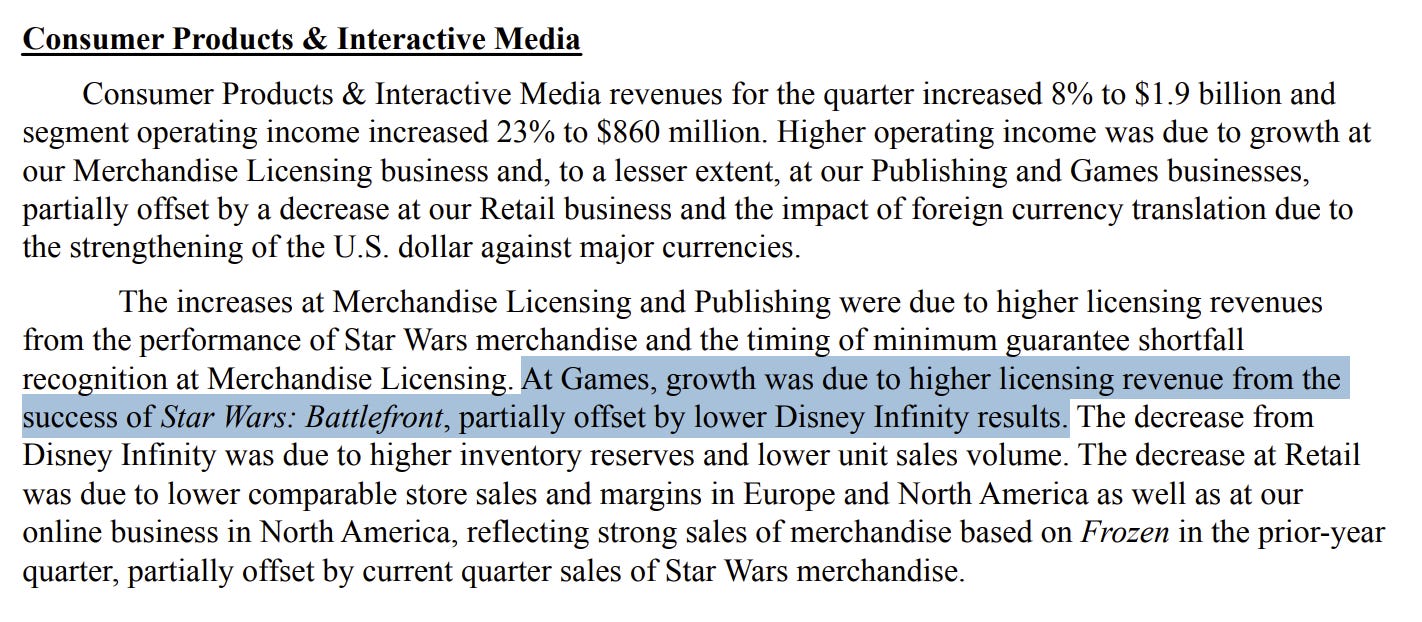
Translation? A game Disney didn’t make was beating the one they did make. But the bigger picture was even worse.
Between 2008 and 2013, Disney’s gaming division had already lost over $1.4 billion. The spreadsheets were damning.
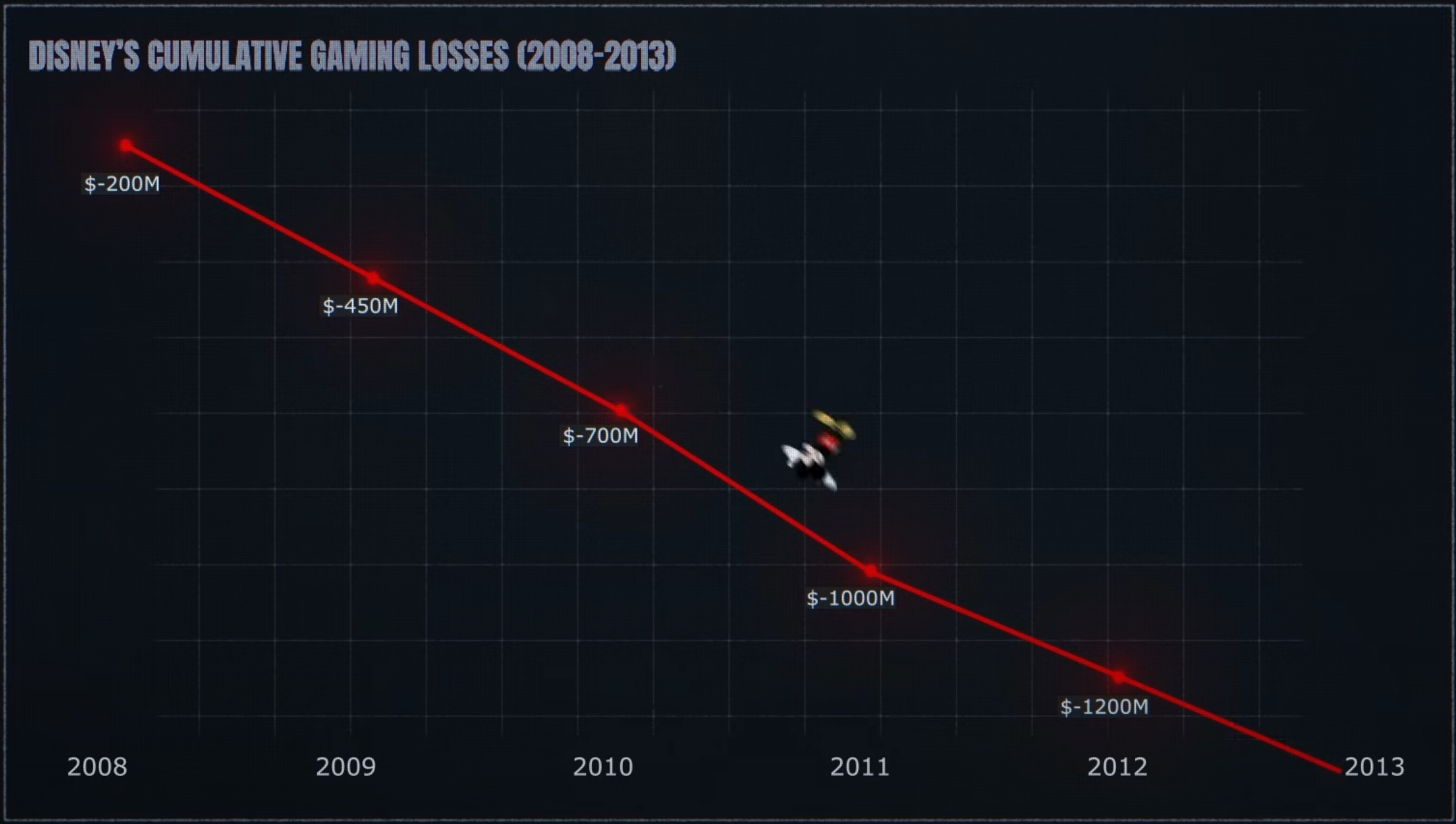
“If Infinity does well, it bodes very well for the bottom line of this unit. If it doesn’t… the opposite will be the case.” (CBS News, Bob Iger)
And the opposite was the case. The bottom line tanked.
And Disney did - once again - the most Disney thing imaginable…
To Infinity… and Gone
They pulled the plug. Infinity 4 was already in development, but it didn’t matter. Overnight, Disney shut down the game, Avalanche, and the entire gaming division, laying off “300-plus people who poured their souls into it.” People were devastated, confused, blindsided. After a decade of buying studios only to shut them down, this felt like the final blow. “We feel like we’re better off managing the risk by licensing instead of publishing.”
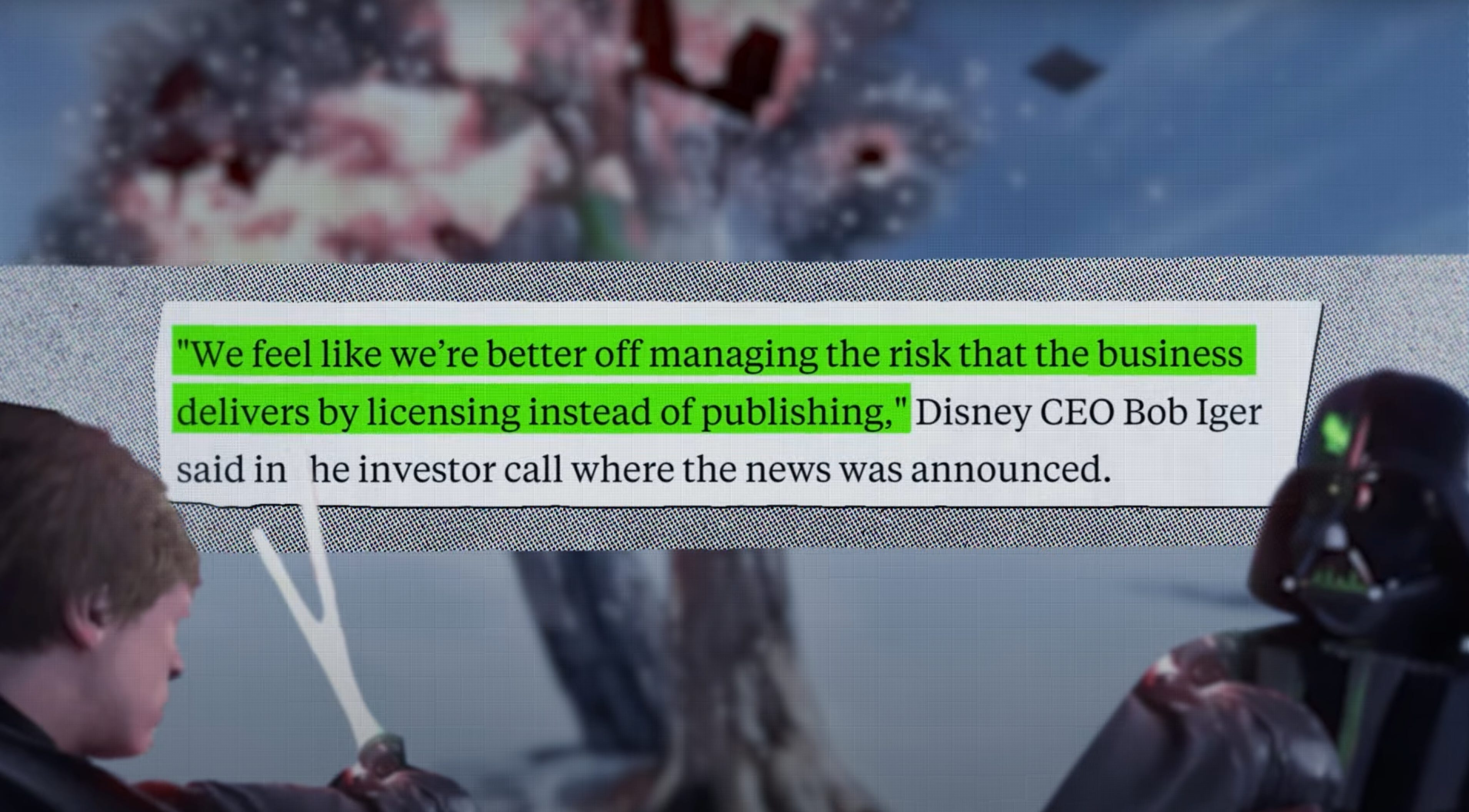
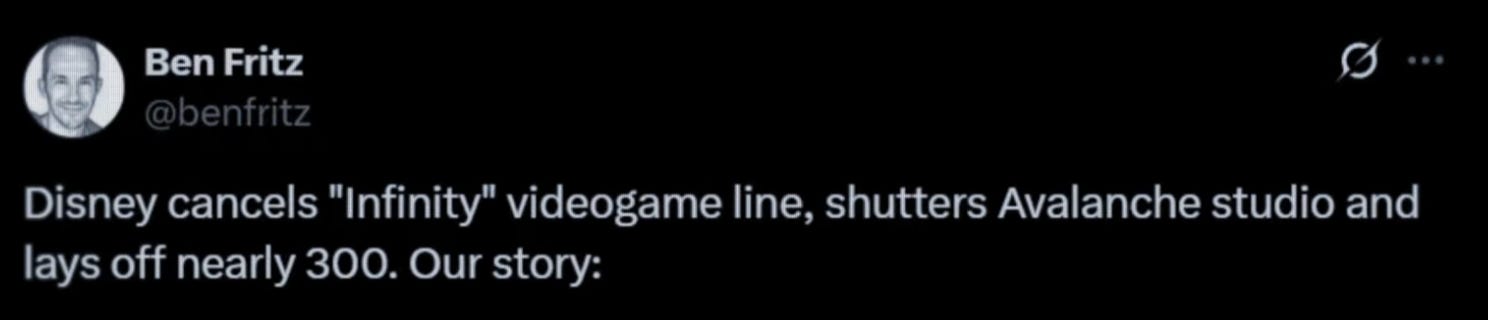


Bob Iger’s infamous line hit like a smack in the face. And I couldn’t help but wonder—how did Avalanche feel in that moment?
“That was a huge surprise, I think both to me and to most of the other folks at the studio because just a few months before that, they had a huge party for us out at the fairgrounds in Salt Lake City because Disney Infinity had been so tremendously successful and had made them a billion dollars. And so, you know, here’s the studio that’s made Disney a ton of money, and then they decided they’re gonna just close that studio down and get out of games about five months later.”
And with that, Avalanche was gone. Or so it seemed. Because while most people thought this was the end, one fan “didn’t think so.” And he was right.

“Their linkedin company page is called "WB Games / Avalanche” - a quiet detail. But a big sign. Because just a few months later, Warner Bros. had quietly stepped in to “welcome the studio into their development stable.”
Same people, same spirit, same studio. Just… new bosses. And ironically, their first game to work on was Cars 3 — a licensed Disney title.
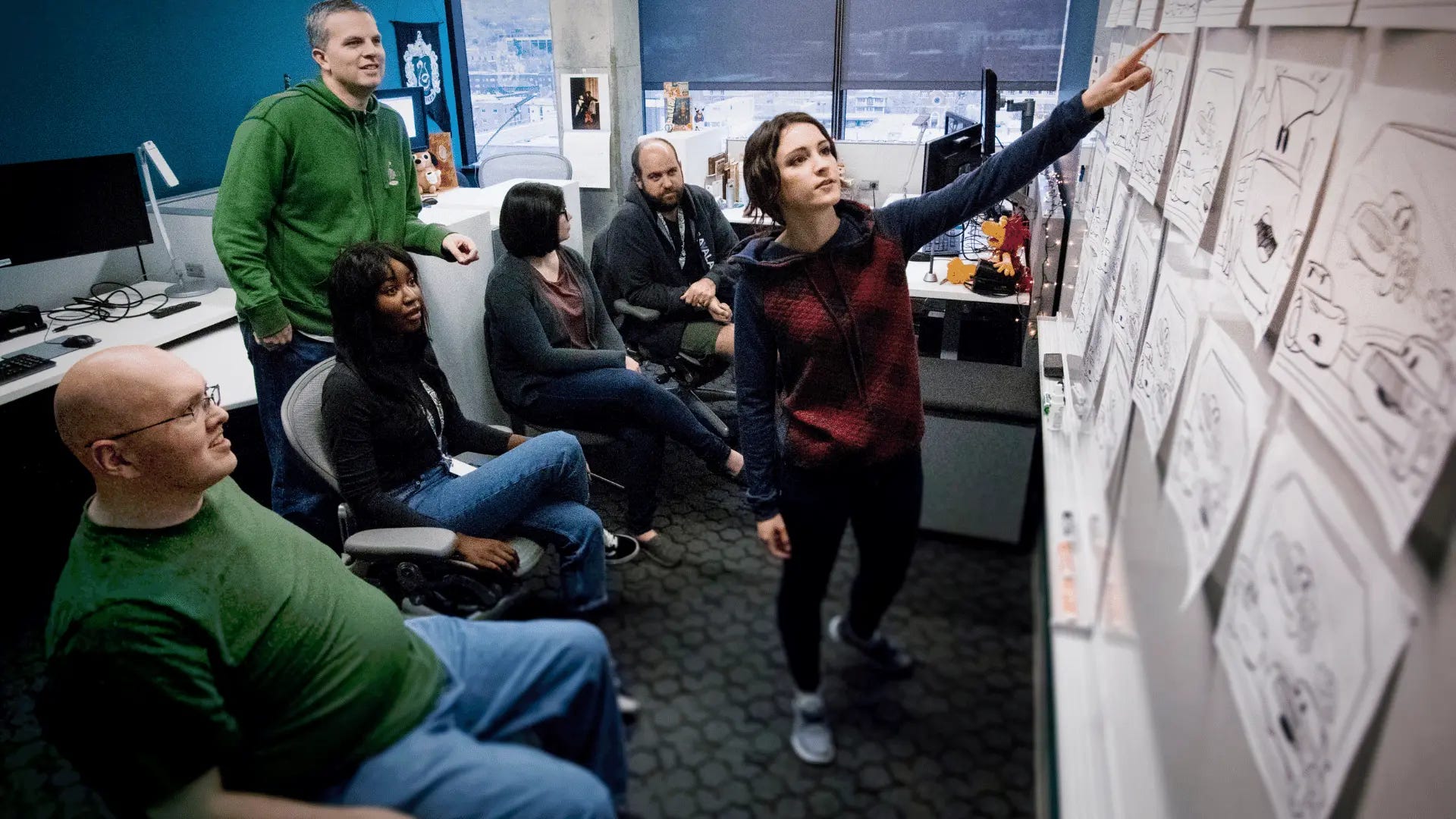
“It was almost like going back to the old studio with the same guys that had just made Disney Infinity, but now we were working on the Cars game. It was funny, because now you were working for Disney as Warner Bros., when before we were working as Disney for Disney. That was weird.”
But Cars 3 was just the beginning. The team Disney had just shut down was about to make gaming history.
The Last Hurdle
When Warner Bros. decided to bring back the Wizarding World, they didn’t want another movie tie-in. They wanted something bigger — a flagship game. But after years of failed Harry Potter adaptations, no studio had earned that trust… except one. Avalanche, of course. The only studio in the world that could have done it.
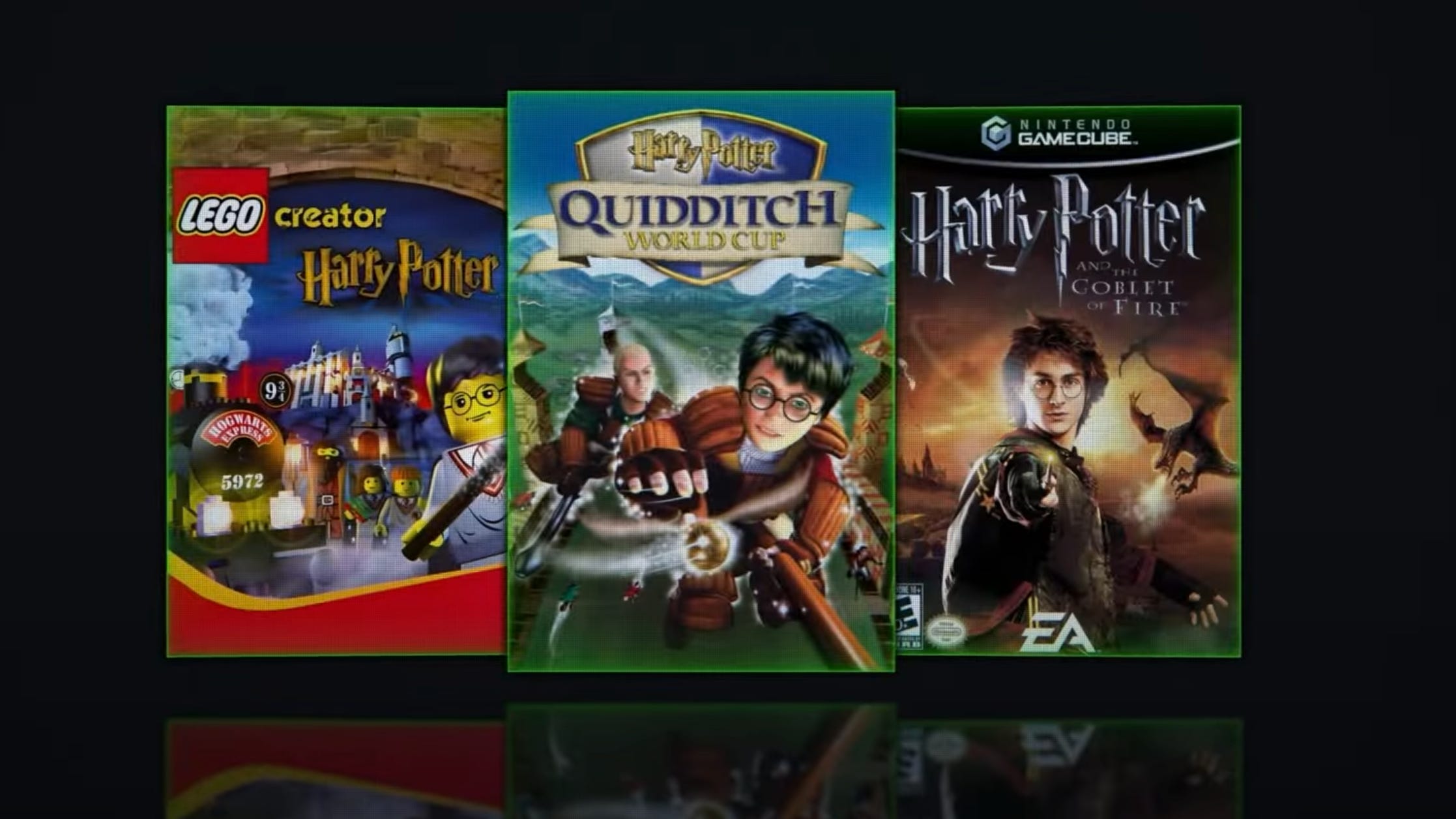
“Is there another studio in the world that could have done that? I don’t think there is. I don’t think there are any other studios that have that experience with working with intellectual property such that you can satisfy the original owners while still taking it in a new direction, in places it hasn’t been. That is really hard to do.”
And because it was really hard to do, people had doubts. When news broke that Avalanche was making the next big Harry Potter game, the reaction was less “oh yeah, great studio” and more like, “who?”
“What I noticed was that when Hogwarts Legacy was announced and it was coming from Avalanche Software, there was a lot of… ‘who is this goofy studio that just made kids’ games,’ right? Back then, there was a lot of skepticism that a Disney kids’ game studio could make anything like Hogwarts Legacy. But I think internal to the studio, we were like, yeah, we can do this, hahaha.”
We all know now that Avalanche did pull it off, but internally, it wasn’t a walk in the park. Executives pitched wild ideas — like turning the entire castle into a menu system just to save costs. But Avalanche fought back and pushed to keep the world open and explorable. What’s the point of the game if not for the magnificent castle?
And yet, the real battle wasn’t creative. It was cultural. J.K. Rowling had become a lightning rod in the culture wars — accused of transphobia, boycotted online, and condemned by parts of the gaming press. So when Hogwarts Legacy dropped, it didn’t just get reviewed. It got politicized.
And Troy? He got caught in the crossfire — thanks to an old YouTube channel with videos the press claimed were anti-feminist. Articles came out. Tweets went viral. And suddenly, he became the story.
“Well, for me, yeah, I got personally called out. I think for the rest of the studio, they locked us down at Warner Bros. Warner Bros., especially after it happened with me, was much more like, OK, you don’t talk to the press. You don’t go and talk. There was a lot of focus on the game. Stay away from all the controversies. And I know they were telling the people at the studio, stay out of controversy.”
And Avalanche did. Six years of silence. No leaks. Okay, maybe one. But no more scandals. Just one shot at proving what Disney never believed they could.
The Legacy
Hogwarts Legacy launched and was an instant hit. Twelve million copies sold in two weeks. $850 million in revenue out of the gate. And as of 2025, it has sold 34 million units, making over a billion dollars. It broke Twitch records. Steam records. And became the best-selling game of the year.
Avalanche didn’t just make a good game. They made a cultural moment.
And I had to ask Troy: Was this a moment that could have been Disney’s?
“Absolutely, I think Disney really made a big mistake by giving up on Avalanche Software, and to me it’s obvious. Like, hey, they’re the best-selling game in the world, guys, and what’s Disney doing? Nothing over there in the game world. So yeah, I think they really messed up when they let Avalanche go, and it was a bit of validation for a lot of the folks who felt stabbed in the back by Disney when they shut down the studio.”
That validation wasn’t just personal. It was historic. Avalanche had done what Disney never could: build a billion-dollar franchise from scratch — and win the love of fans doing it.
While Disney is still chasing licensing deals, Avalanche is quietly building worlds full of secrets, soul, and story. Rumor has it they’re working on a sequel. Only this time, they’re not just making a game — they’re helping redefine the entire Wizarding World in sync with the upcoming HBO reboot.
And something tells me…it won’t be short on drama.
But drama doesn’t rattle a team like Avalanche. Not after everything they’ve been through. Because success doesn’t die from failure. It dies from fear. And fear? That’s what held Disney back. They had the IP, the talent, the shot. But no belief.
Avalanche, however, did. And belief — in the right hands — is what turns games into magic.
A Message to Gamers
Before we ended, I asked Troy one last thing.
Any last words for us, the gamers?
“I’m trying to think of something clever, you know.”
No, no, I told him. Don’t worry. It doesn’t need to be clever. Just something from the heart.
“You know what I want to tell people from the heart — and I’ve said this many times — is that I think gamers, the people who play games, need to understand that developers love you. The developer-to-gamer relationship should be much better than it’s become in recent years. Back in the ’80s and ’90s, when gaming was still getting its footing, you’d see your players as part of the process. You didn’t have anything unless you had a player. Developers need good players, and players need good developers. To me, it was a cooperative artistic endeavor. We’re working together at creating art. I wish we had more of that in the industry all the way around.”